
‘The fundamentals are proven’: Enervest CEO on building floating solar on a live water utility reservoir
Our CEO Ross Warby sat down with George Heynes from PV Tech Premium to talk about building Australia’s largest floating solar array. See a snapshot below or read the full article here.
Ross explains how the engineering demands of floating solar on a live water utility reservoir differ from conventional ground-mount design, and why Australia’s floating solar market has the fundamentals to scale but has lacked local reference projects to do so.
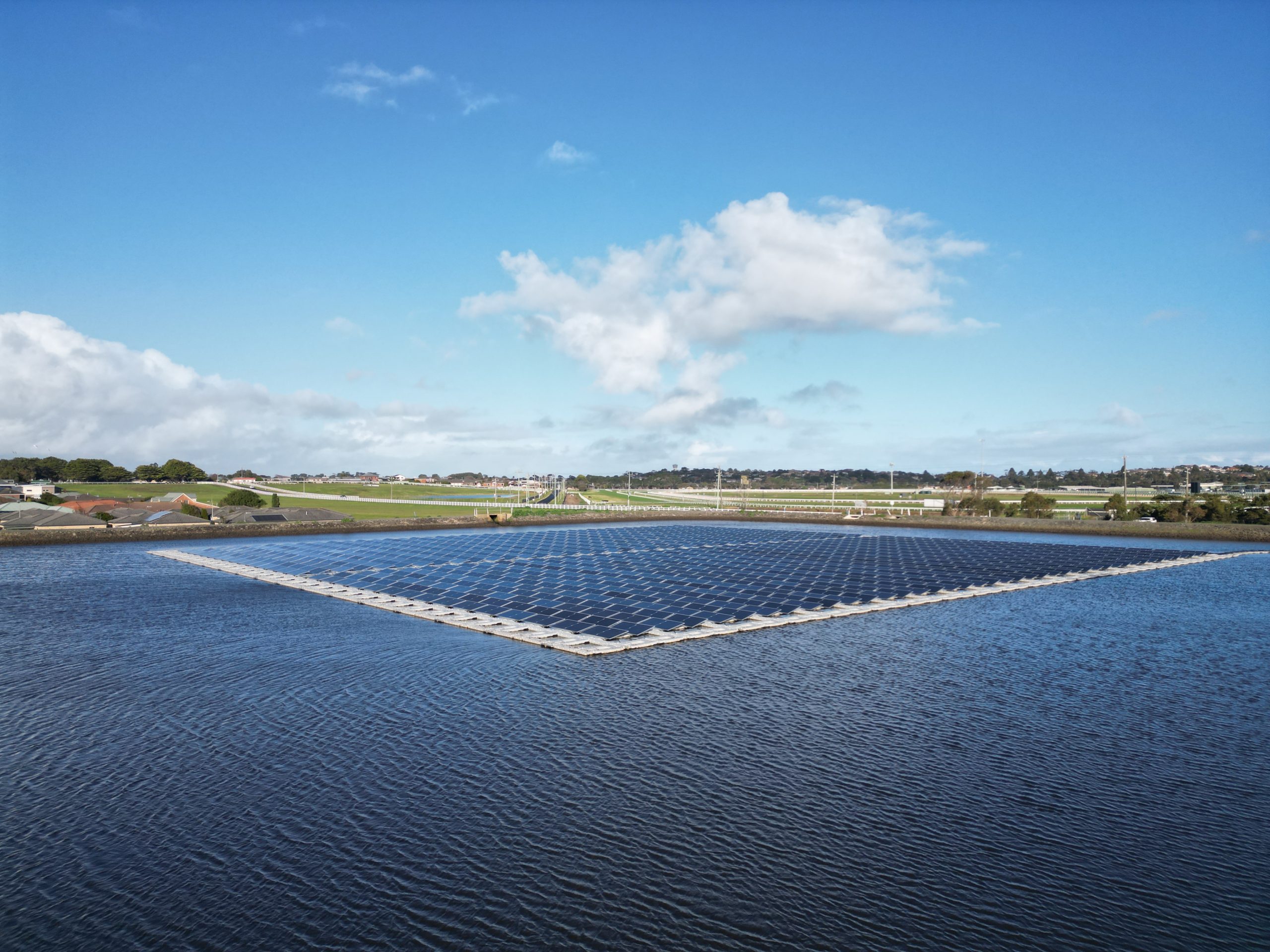
When Enervest completed the installation of a 500kW floating solar array at Wannon Water’s Brierly Basin reservoir in Warrnambool, Victoria, last month, it delivered what the company described as “one of Australia’s largest floating solar installations” on a water utility asset.
But for Enervest CEO Ross Warby, the project is as much about what it demonstrates for a nascent market as what it achieves for the client.
“While Enervest has grown into a broader energy developer, our origins in commercial and industrial solar PV have shaped how we approach development—grounded in experience, working closely with communities and focused on delivering long-term value,” Warby tells PV Tech Premium.
“This project with Wannon Water reflects that legacy, bringing together proven expertise, strong partnerships and a practical, innovative approach to infrastructure.”
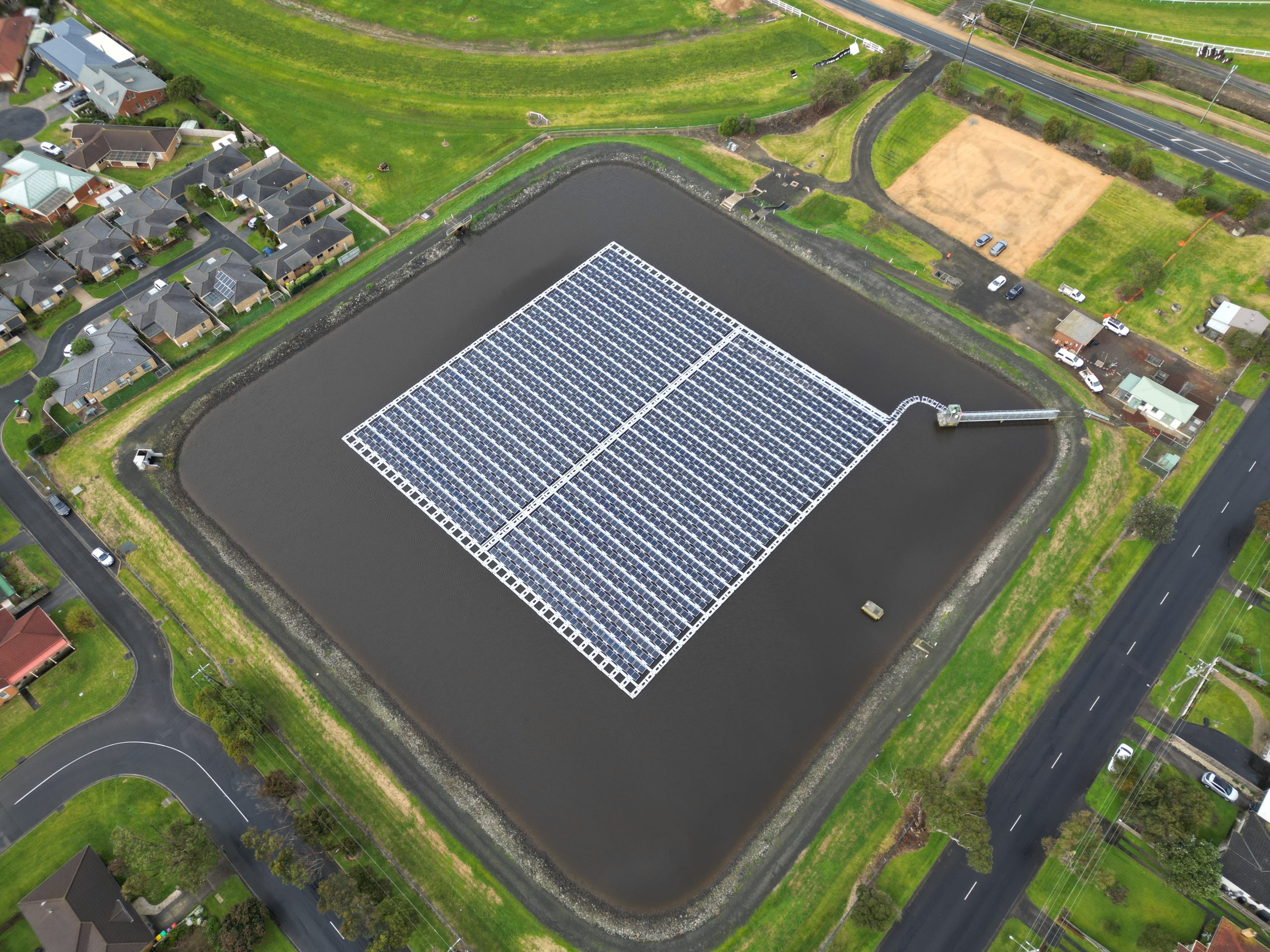
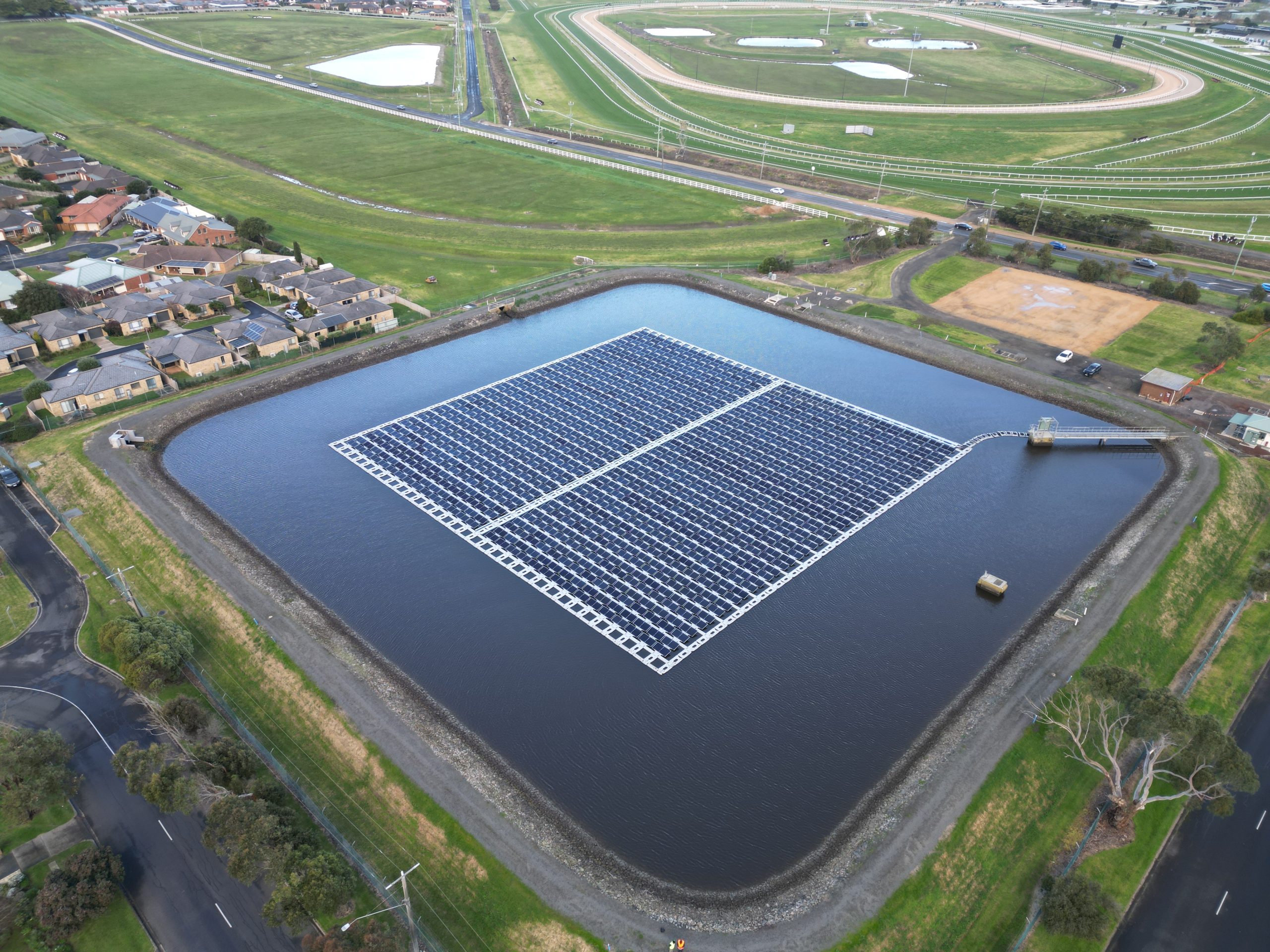
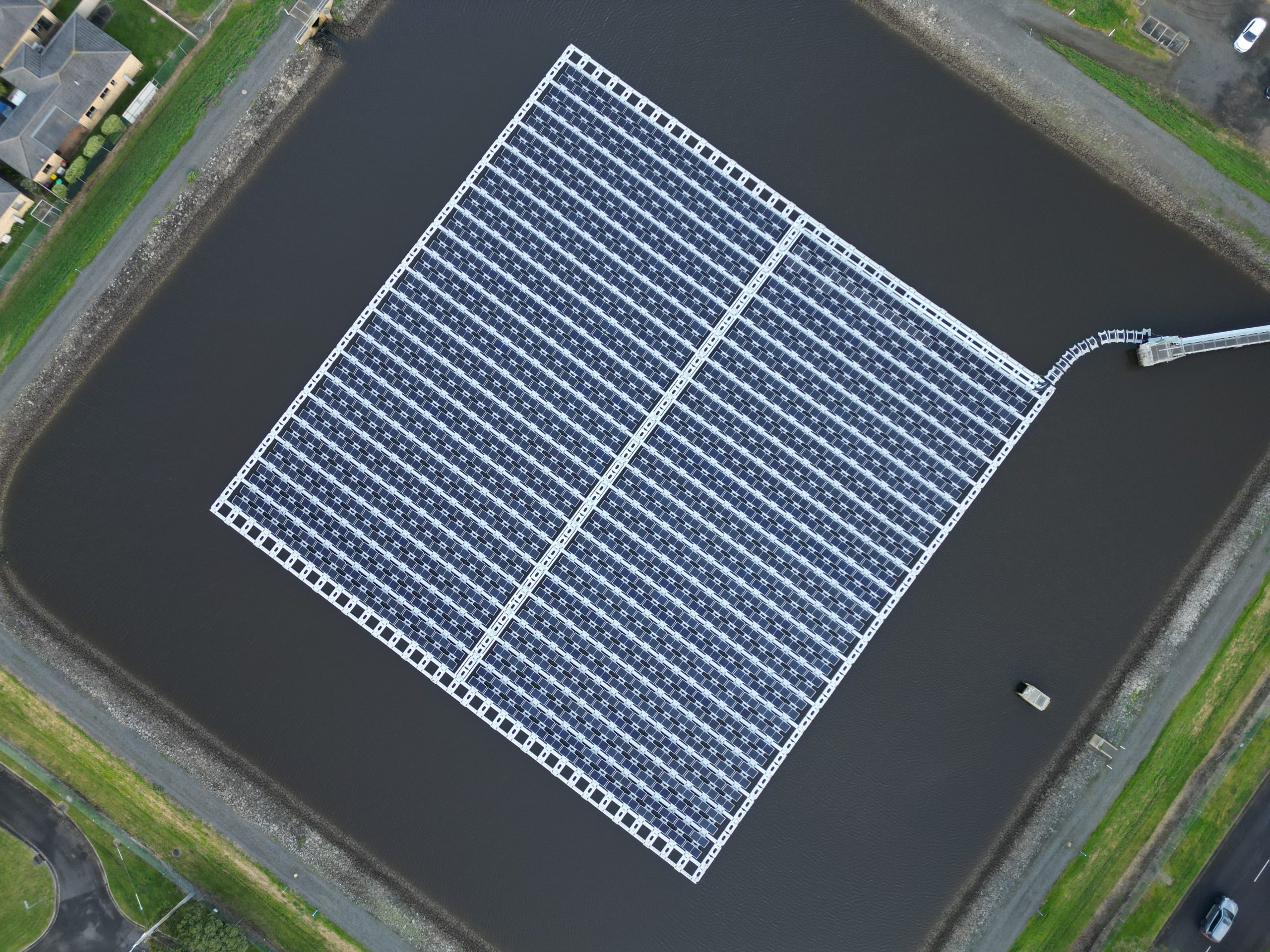
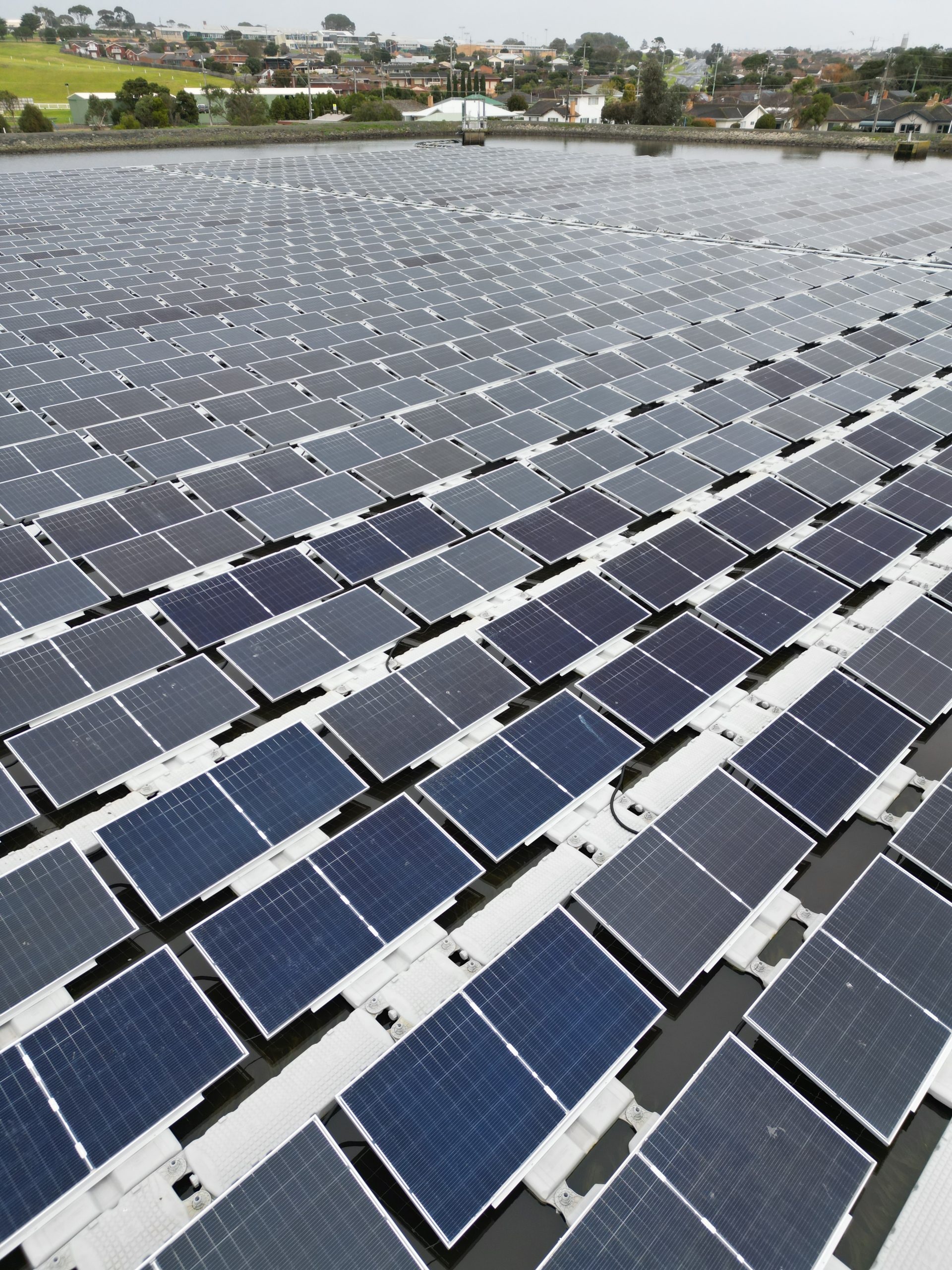
Engineering on water
Floating solar differs from ground-mount installation in ways that extend far beyond the obvious differences between water and land.
As Warby explains, every major design decision at Brierly Basin was shaped by the dynamic nature of a live water utility asset, one that fluctuates in level, generates wind-driven wave action and must continue operating through construction and thereafter.
The anchoring approach at Brierly Basin avoids any penetration of the reservoir lining.
“Rather than driving piles or using ballasted frames as you would on land, the Brierly Basin system uses a gravity anchor arrangement – concrete anchor blocks placed on the reservoir bed, connected to the floating pontoon structure via mooring lines,” Warby explains. “This approach avoids any penetration of the reservoir lining or bed and is fully reversible.”
Getting power from water safely requires careful design. As Warby says: “We specified string inverters located on the land surface rather than on the floating array itself.”
“This decision deliberately keeps high-voltage equipment away from the water surface.”
Maintaining a system on water
Warby is measured about the operations and maintenance (O&M) profile of floating solar relative to ground-mount.
“Maintaining a floating solar system can be more complex than maintaining a ground-mount array of equivalent capacity, largely from the fact that it is water-based,” he says.
However, there are genuine operational advantages to the water-based environment.
“Panels over water run cooler, which supports better energy yield, and at a water treatment facility, rainfall does a reasonable job of keeping panels clean,” Warby notes.
“Floating solar is a well-established technology globally, operating at significant scale, including on saltwater, so the fundamentals are proven,” he says.
“As with any early-stage market locally, Brierly Basin will also serve as a valuable reference point for the Australian sector, and we’re committed to sharing operational learnings to support future projects industry-wide.”
Read the full article on PV Tech Premium.