

Level 6, 627 Chapel St South Yarra 3141
1300 164 211
hello@enervest.com.au
Our Sub-5 MW Portfolio
Enervest’s Sub-5 MW BESS and hybrid BESS+PV projects provide energy and storage to the distributed energy network and support energy resilience for regional Australian communities.
Sub-5 overview
Enervest is developing a number of smaller-scale batteries, and hybrid battery & solar facilities, that have an energy storage capacity under five megawatts (sub-5 MW). Each battery connects to the local distribution network. It stores electricity during periods of low demand, such as in the middle of a sunny day, and releases it when demand peaks in the evening. This helps keep electricity supply to regional communities stable and reliable, makes better use of renewable energy, and eases pressure on the local network.
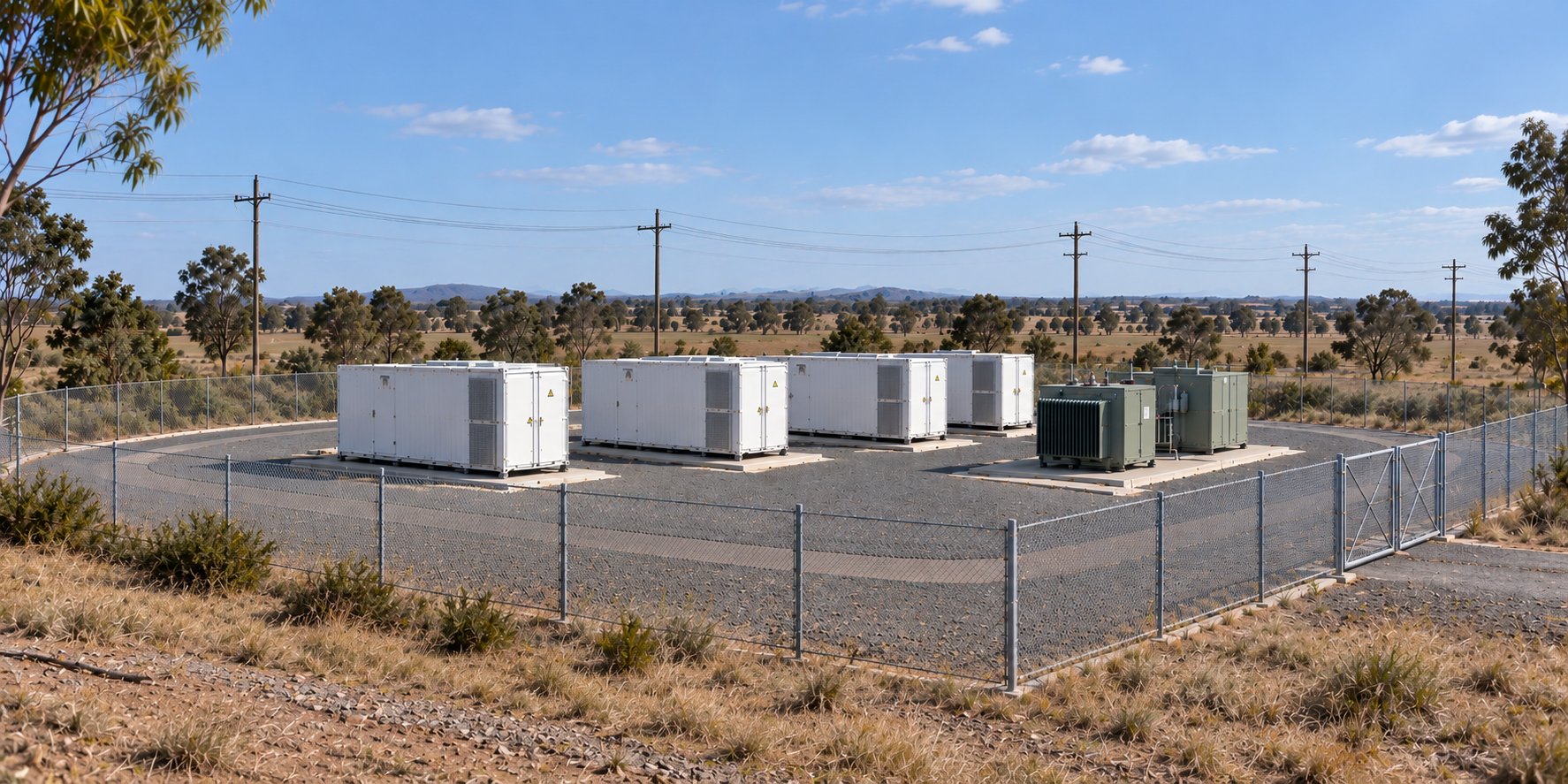
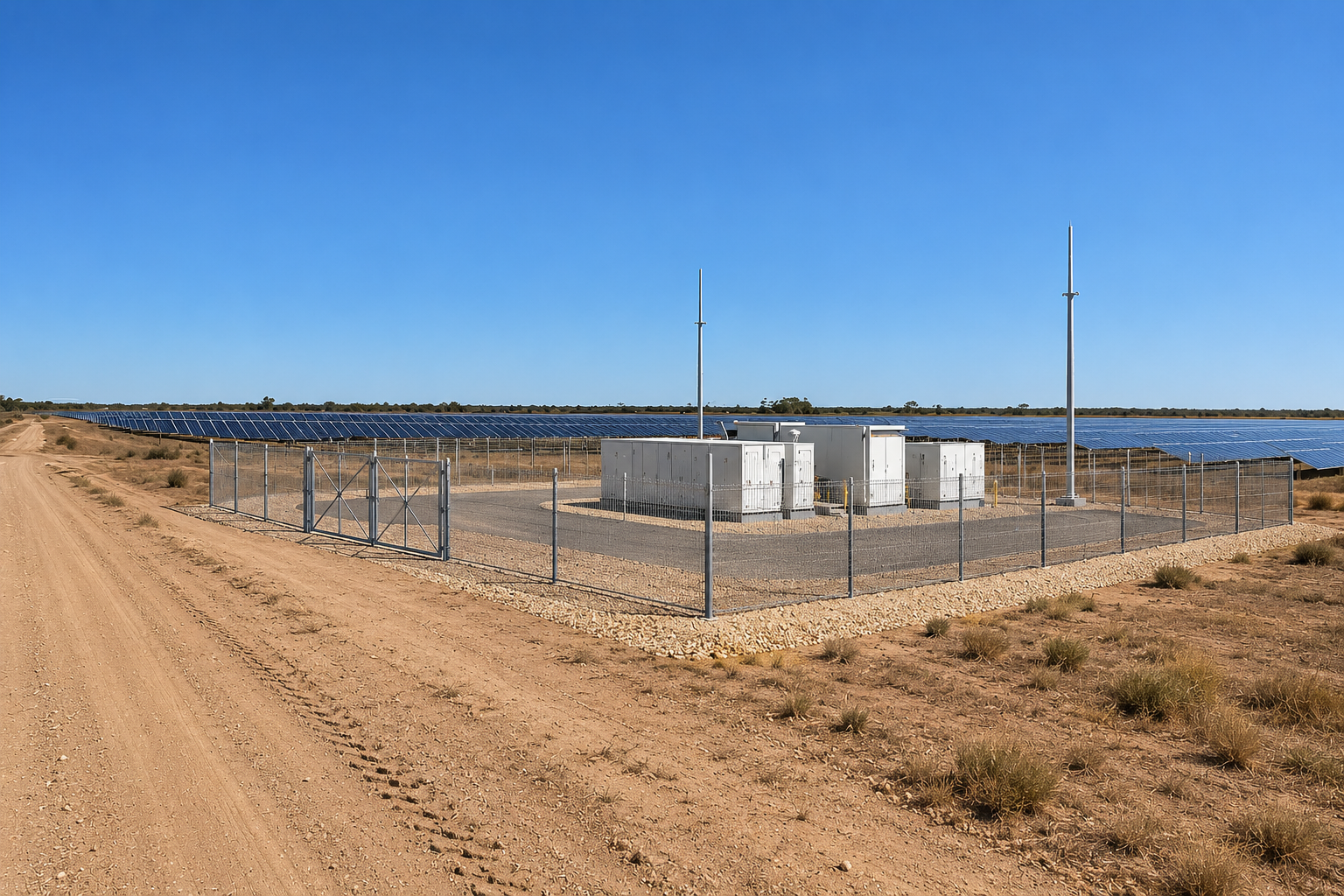
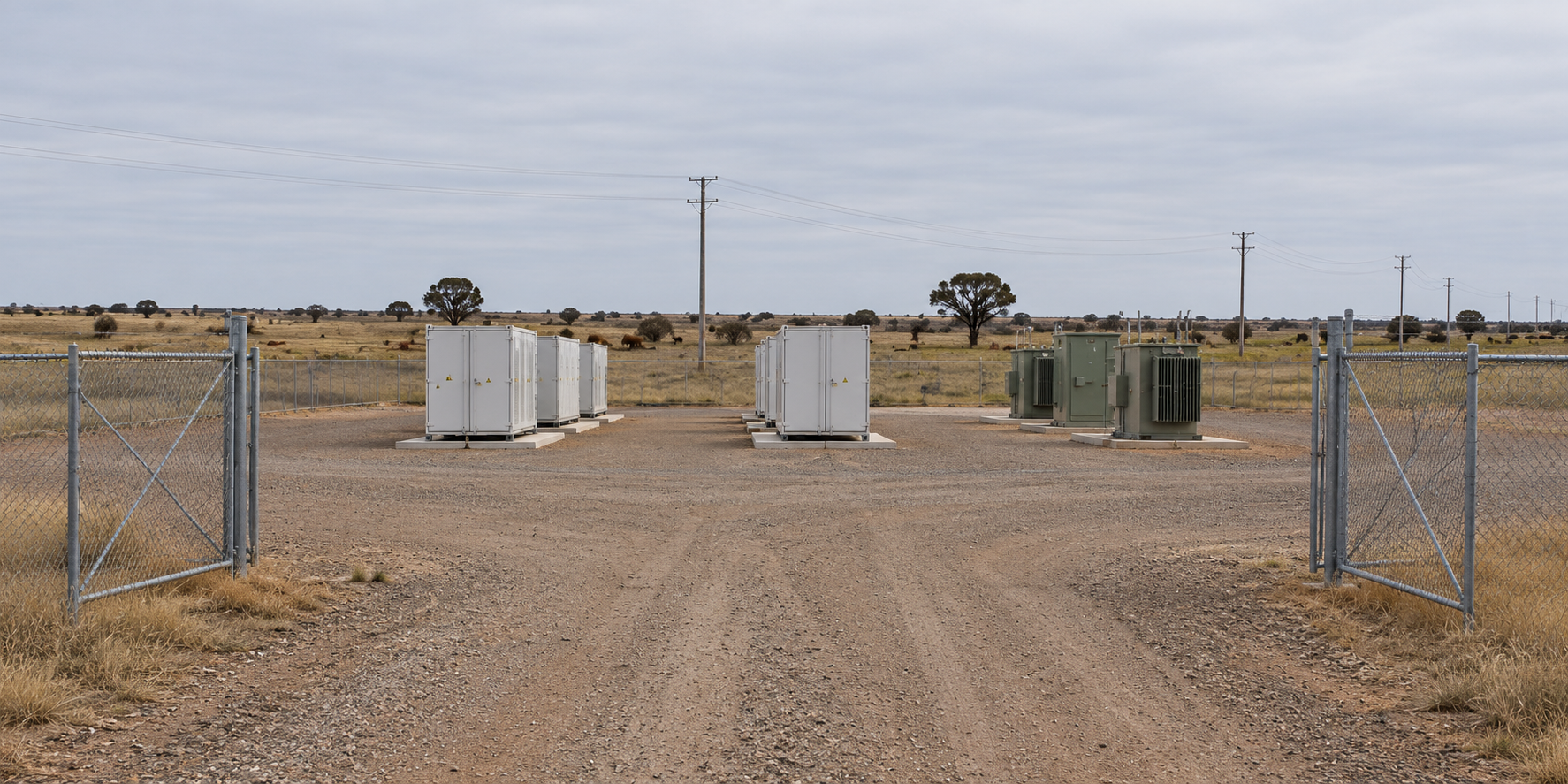
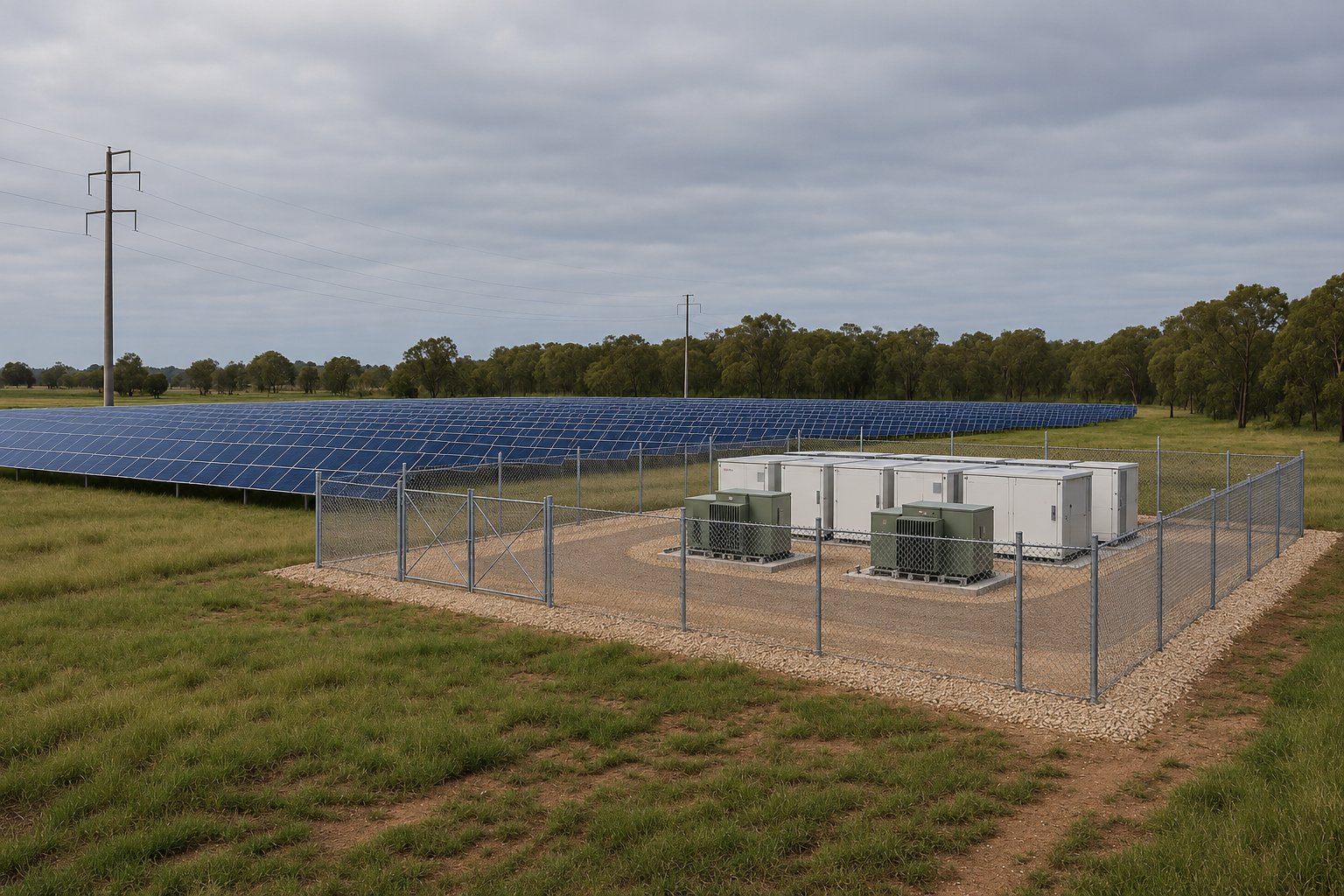
Our BESS and BESS+PV projects are located near existing energy infrastructure, such as zone substations and powerlines, so minimal new infrastructure is needed. They are designed to occupy a compact footprint, a battery-only site typically needs less than one acre, with battery enclosures, inverters, a transformer, associated switchgears and cooling systems installed in a secure, fenced hardstand area and vegetation screening around the perimeter where necessary. Hybrid sites pair the battery with a solar array across 30 to 40 acres, and grazing may continue beneath the panels. Each facility is, monitored remotely 24/7 and visited mainly for scheduled maintenance.
Every project is designed to meet Australian safety standards and planning requirements and is carefully considered to suit its location and surrounding community. If you would like to know more, please read through the frequently asked questions or get in touch with us using the form below.
BESS and BESS+PV
A BESS stores electricity when there is plenty available, such as on sunny or windy days, and releases it back into the electricity network when demand rises, such as in the evening when people are getting home from work, cooking, and heating or cooling their homes. Unlike utility scale batteries which often occupy a larger footprint and are connected to the transmission network, Enervest’s smaller-scale batteries have a storage capacity under five megawatts (sub-5 MW) and connect to the local distribution network, the powerlines that supply homes and businesses.
Megawatts (MW) measure the capacity of the battery to how fast a battery can supply or absorb electricity. Megawatt-hours (MWh) measure how much it can store. A 5 MW / 10 MWh battery can supply 5 MW of electricity for about two hours.
Small-scale batteries are placed near existing zone substations and distribution lines. Being able to connect into that infrastructure means little or no new powerlines are needed. Sites are chosen for network connection, available land, road access, environmental conditions and neighbouring land uses.
A BESS-only site typically needs less than one acre (about 4,000m²), often less, inside a secure fenced area. Equipment includes battery enclosures similar in size to shipping containers, inverters, a transformer, associated switchgears and cooling systems, set on compacted rock or concrete and screened with perimeter planting.
Not directly, but your community still benefits. The battery feeds the wider network rather than individual properties, helping it run more smoothly for everyone nearby. It can help keep local supply steady during busy periods, ease the strain on local powerlines and make better use of solar and wind energy. No single battery can promise lower bills for a particular household, but a more efficient network can help keep energy costs down over time.
A hybrid project pairs a small-scale battery with a solar PV array on the same site. The panels generate electricity during the day, and the battery stores some of it to use in the evening when the sun goes down. Both connect to the local network through shared electrical infrastructure.
Typically, 30 to 40 acres, mostly for the solar panels. The battery itself still occupies a small area within the site.
Grazing, such as sheep, may be possible under the solar panels, subject to site design. For safety reasons, no grazing or other use is permitted inside the battery’s fenced area.
Solar panels are designed to absorb light, not reflect it, and are coated to reduce reflection. Where required, glare is assessed as part of the planning application.
Solar output peaks in the middle of the day, when demand for electricity is often lowest. Pairing it with a battery shifts that energy to the times it is needed and makes better use of the same network connection.
Construction runs in three stages: site preparation and civil works, equipment delivery and installation, followed by testing and commissioning. Timing varies by site, standalone BESS projects typically take around 6–9 months, while hybrid solar and BESS projects may take 9–12 months, depending on site conditions, equipment availability and connection requirements.
During construction, yes, temporarily. Expect light vehicles, earthmoving machinery and larger trucks delivering equipment during the construction period. Once operating, the facility is operated remotely and requires only occasional maintenance visits.
The facility runs automatically and is monitored remotely 24/7, with no permanent staff on site. Visits vary depending on the facility but are typically weekly for the first six months, then quarterly for one to two days, plus occasional unscheduled visits if an issue arises. Scheduled visits happen during weekday business hours.
Safety is built into every Enervest BESS and hybrid project, from design through to day-to-day operation. We use lithium iron phosphate (LFP) batteries, one of the most stable battery chemistries available and far less prone to overheating than many other lithium-ion types. Each unit is monitored around the clock, with its own temperature management, fire-resistant materials and fire suppression, and can be safely isolated if needed. As with any electrical infrastructure, potential risks are carefully assessed for every project, and we work with local emergency services to put response plans in place for each site.
The site is designed like any high-voltage installation: high fencing and locked gates, with access restricted to qualified, approved personnel.
Batteries do make some noise, mainly a steady hum from cooling fans and inverters.. Noise is assessed for every project before planning approval, and each site must meet strict noise limits at nearby homes. We plan for this from the start, with adequate separation from neighbouring houses, careful placement of equipment on the site, quieter equipment and acoustic barriers where needed.
BESS equipment is similar in height to a shipping container, and they are typically set back from roads and nearby viewpoints to limit visibility of the site for nearby residents. A BESS only site covers less than one acre and each site is enclosed by security fencing and typically screened with perimeter planting.
No fuel is burned on site, so there are no combustion emissions during normal operation.
Facilities are designed to operate for approximately 25-30 years. During operation, battery and solar components can be upgraded or replaced to maintain performance and/or extend the life of the facility.
Enervest follows a decommissioning plan required under the development approval. All equipment is removed and the land is rehabilitated to its former use. Between 94% and 99% of battery contents can be recycled.
We welcome your questions and feedback. Please email hello@enervest.com.au or call 02 7229 1984 to speak to the project team.
Get in touch
We are currently developing projects in the following locations:
– Temora, NSW
– Peak Hill, NSW
– Cootamundra, NSW
– Nevertire, NSW
– Yorklea, NSW
– Trundle, NSW
– Hay, NSW
– Woodend, VIC
– Hillston, NSW
– Ouyen, VIC
Stay informed by registering for project updates to receive the latest project information and updates on engagement activities, by completing the Get in touch form.
Contact Form
"*" indicates required fields